


Elevator Regulations & Standards Compliance
At Metron, safety is not just a technical requirement but a non-negotiable value that guides every stage of our work. From design to manufacturing, every product undergoes rigorous quality checks and fully complies with the latest European standards and regulations.
Our commitment to certified quality, the continuous training of our teams, and the strict compliance with regulatory frameworks ensure that every Metron elevator delivers safe, reliable, and comfortable mobility for a lifetime.
Since 2000, Metron has applied a Quality Management System in accordance with EN ISO 9001:2015. All products are CE-certified under European Union requirements, while production is meticulously planned and monitored through advanced MRP and ERP software systems. In addition, every elevator and component undergoes multiple quality inspections at each production stage and is thoroughly tested for durability, functionality, and behaviour in emergency situations.
All Metron elevators are designed in compliance with European Directive 2014/33/EU and fully comply to the main European Standards, as well as additional complementary ones.
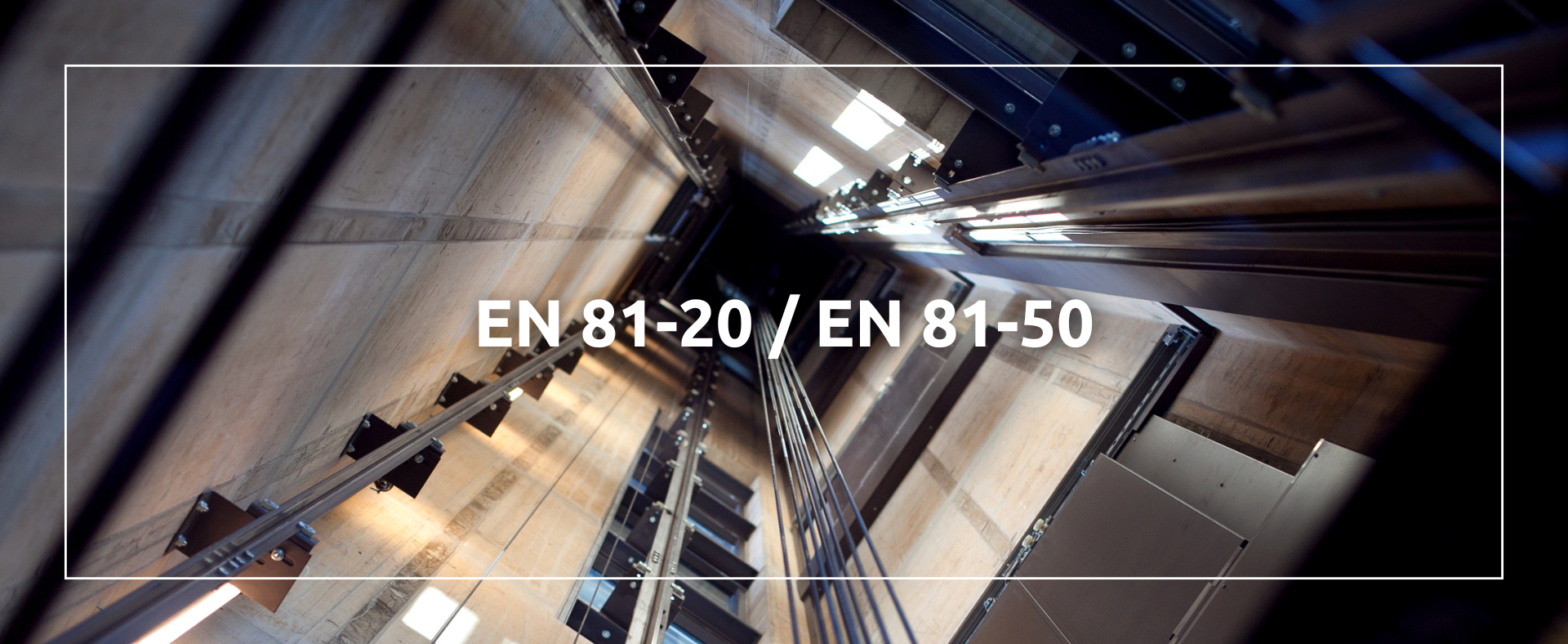
EN 81-20 / EN 81-50
The EN 81-20 and EN 81-50 standards have replaced the former EN 81-1 and EN 81-2, and today they are the main European directive for the design and manufacturing of elevators.
- EN 81-20 sets strict requirements for the safety of passengers and installater-technicians, covering every aspect of elevator design including dimensions, lighting, stability, and the durability of cabins and shafts.
- EN 81-50 complements the above standard by focusing on the technical testing methods, calculations, and inspection procedures of critical elevator components such as brakes, doors, and safety mechanisms.
Together, the two standards ensure the highest level of safety and quality in new elevator installations.
EN 81-21 – Elevators in Existing Buildings
The EN 81-21 standard is designed to permit the installation of elevators in existing buildings where space limitations do not allow full compliance with EN 81-20. It provides technical guidelines to ensure a high level of safety even in reduced shaft spaces or under unusual architectural conditions.
Primarily intended for modernization projects, it offers solutions that combine safety compliance, functionality, and flexibility.

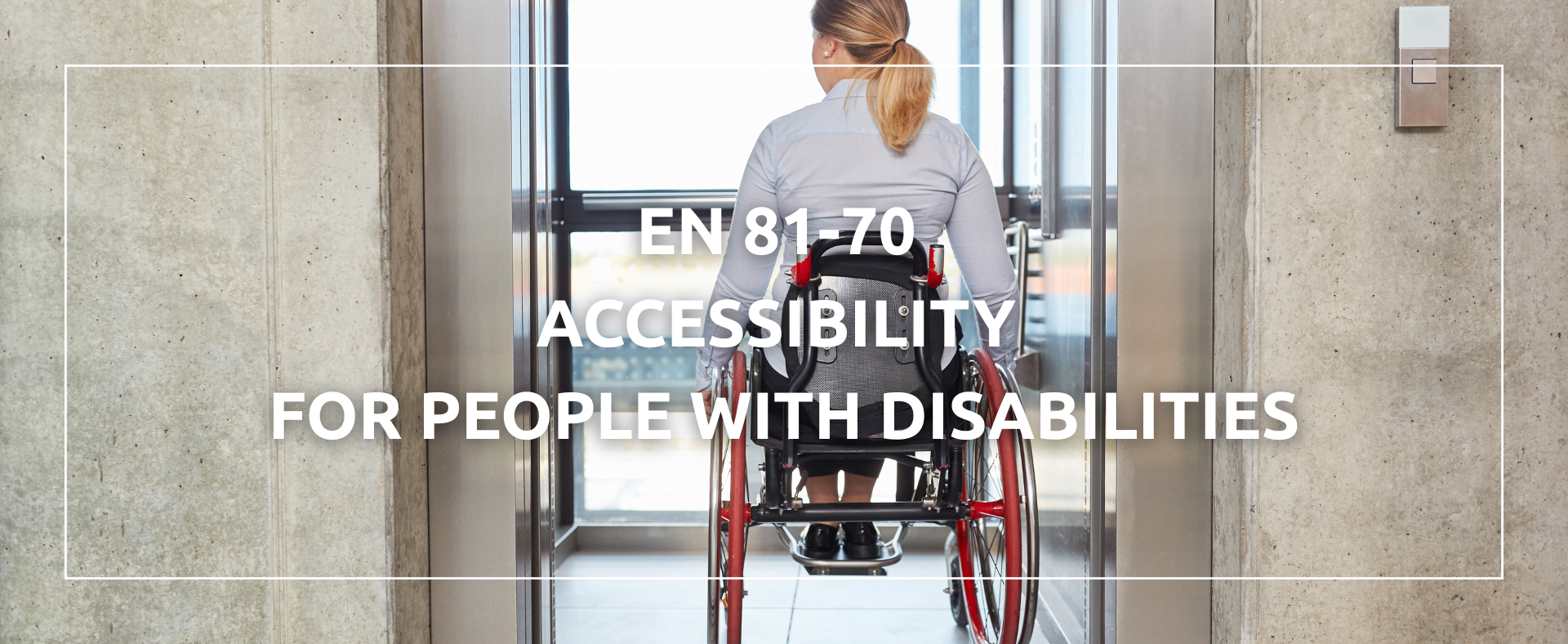
EN 81-70 – Accessibility for People with Disabilities
Το πρότυπο EN 81-70 προάγει την προσβασιμότητα και τη συμπερίληψη στον σχεδιασμό των ανελκυστήρων. Περιλαμβάνει απαιτήσεις για διαστάσεις θαλάμου, καθαρό άνοιγμα θυρών, εργονομία κουμπιών, πληροφορίες με Braille, ακουστικά σήματα και οπτικές ενδείξεις.
Αφορά όχι μόνο άτομα με αναπηρίες, αλλά και ηλικιωμένους, γονείς με καρότσια και οποιονδήποτε χρήστη χρειάζεται υποστήριξη για ασφαλή και άνετη χρήση του ανελκυστήρα.
EN 81-28 – Remote Alarm System
The EN 81-28 standard defines the requirements for a remote alarm system in case of passenger entrapment. Every elevator must be equipped with a reliable communication system (such as a landline or GSM) that enables immediate notification of technicians or a support center.
This standard ensures that in the event of a malfunction, passengers are never left alone and without assistance even outside of regular working hours.

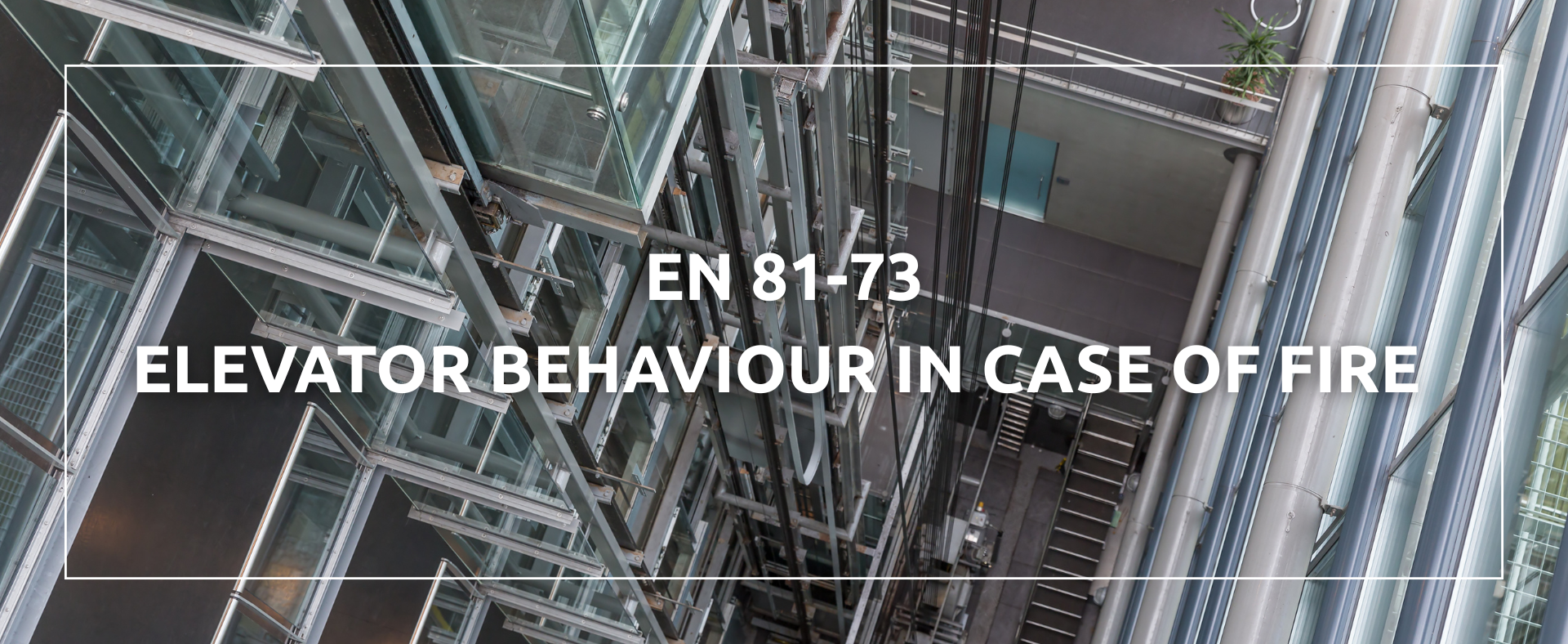
EN 81-73 – Elevator Behaviour in Case of Fire
The EN 81-73 standard specifies how an elevator must respond in the event of a fire in the building. It defines critical actions such as automatic return to the ground floor, door opening, and deactivation of access.
The aim is to prevent elevator use during a critical emergency and to reduce the risk of entrapment or malfunction in fire-affected areas.
EN 81-58 – Landing Door Fire Test
The EN 81-58 standard sets the fire-resistance requirements for elevator landing doors. It defines the testing method for assessing door perfomance against fire for a specified duration, ensuring that in the event of a fire, the doors can delay the spread of flames and smoke between floors.
This standard is especially critical for high-traffic buildings or facilities where enhanced fire safety measures are required.
