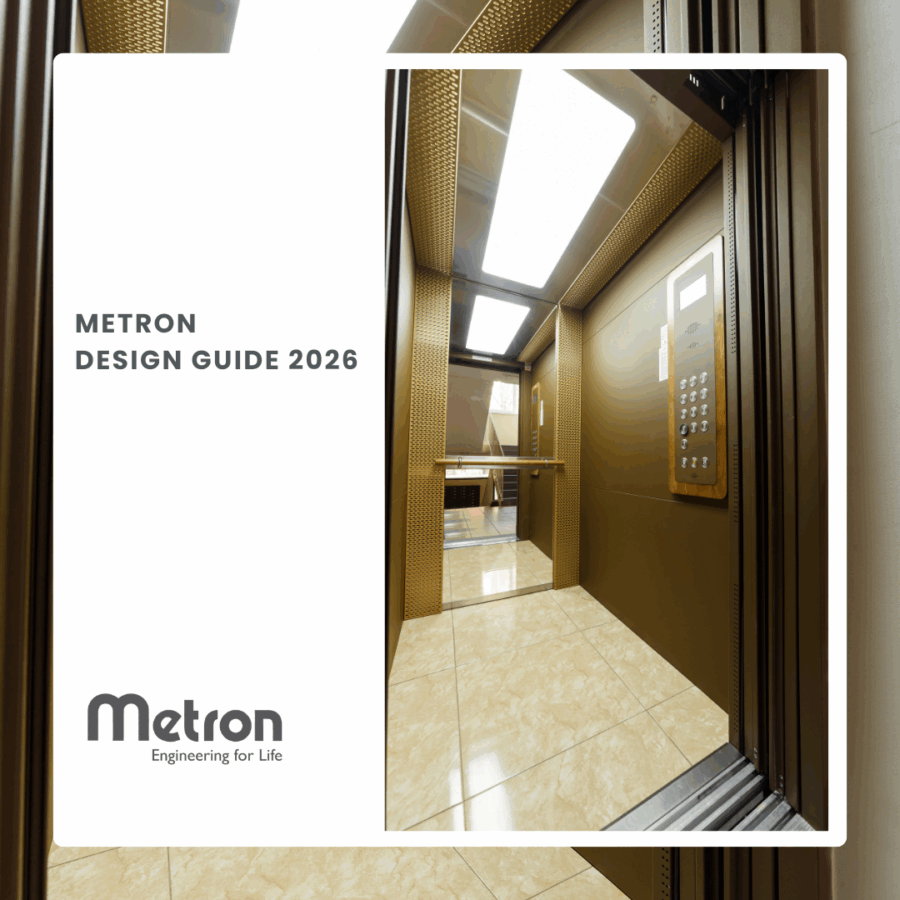
METRON DESIGN GUIDE 2026
How Contemporary Architectural Trends Translate into Elevator Design
Elevator design does not start with the cabin. It starts with space, architectural intent, and user experience. The dominant design trends for 2026 like curves, textures, and colors, are now shaping the entire architectural journey, including vertical mobility. Elevators are no longer treated as isolated functional elements, but as integral parts of the spatial narrative.
What follows is a practical guide to selecting the most suitable Metron cabin types, based on the design concept of each project.
1. CURVES & SOFT GEOMETRY
When space needs flow, not rigidity
Design trend
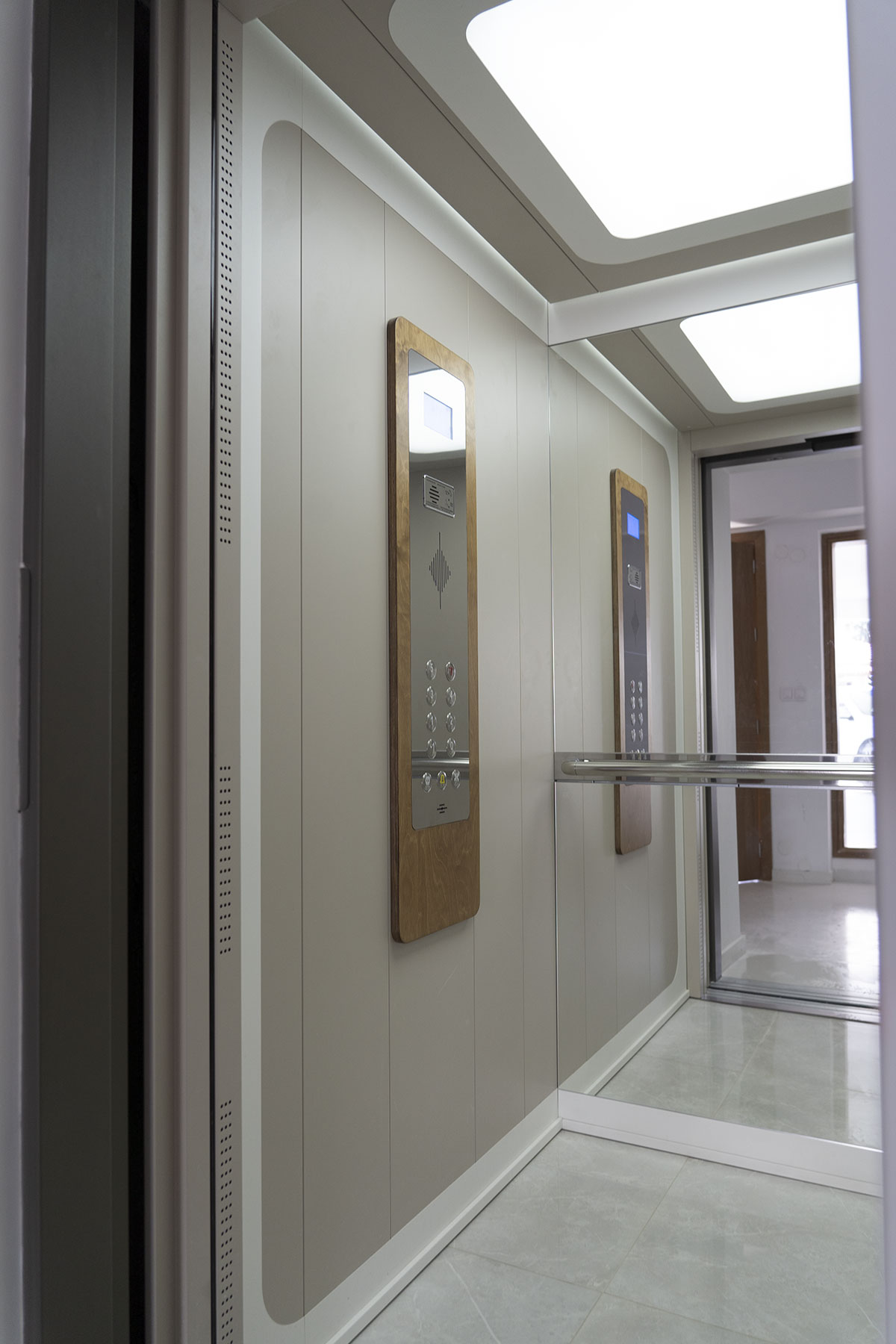
Curved forms, rounded corners, and architectural elements that soften geometry and improve movement flow. This approach enhances comfort and a sense of familiarity, performing especially well in spaces with intense daily use.
Ideal for:
- Residential buildings, villas, maisonettes
- Hotels and serviced apartments
- Mixed-use developments
Suitable Metron Cabins
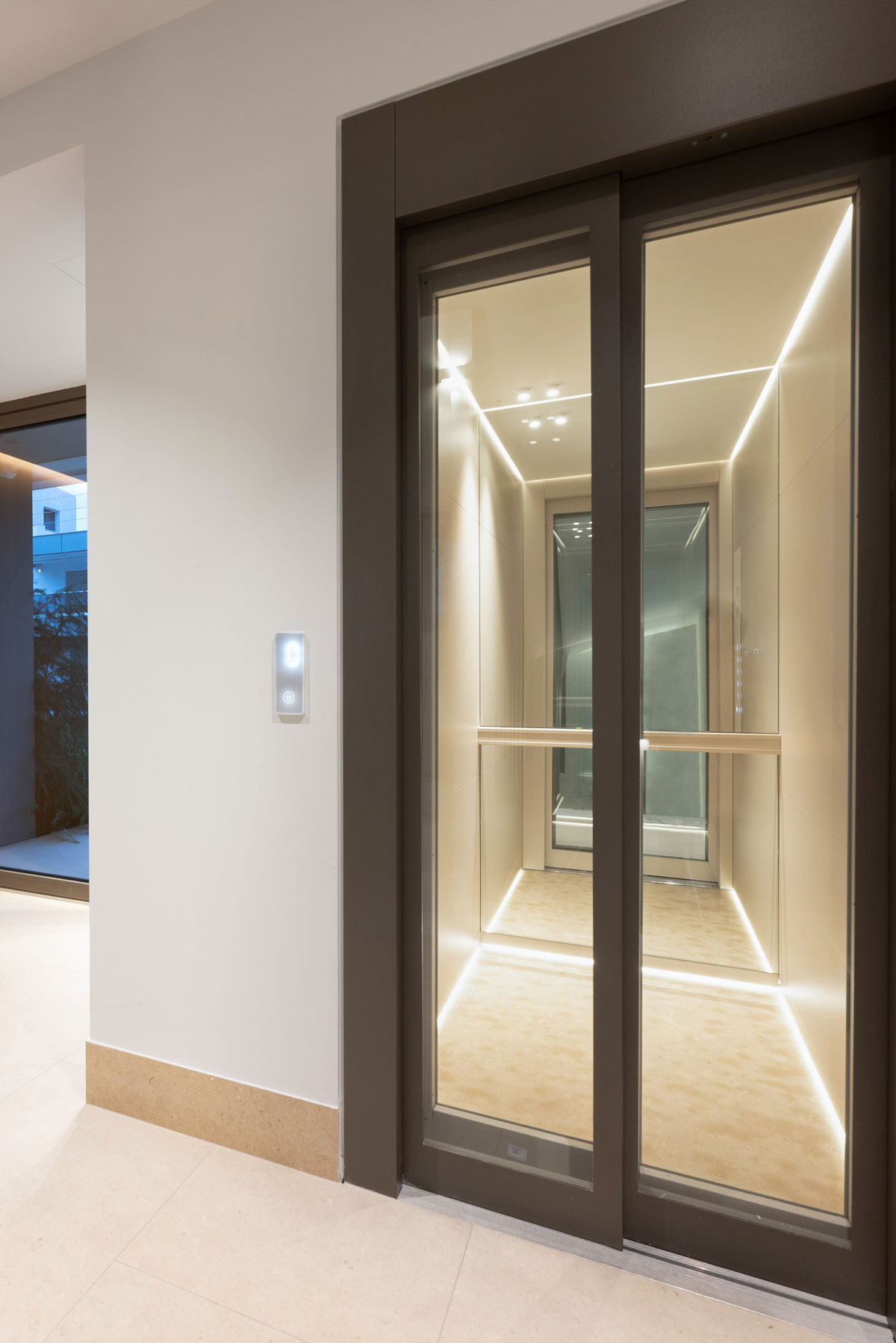
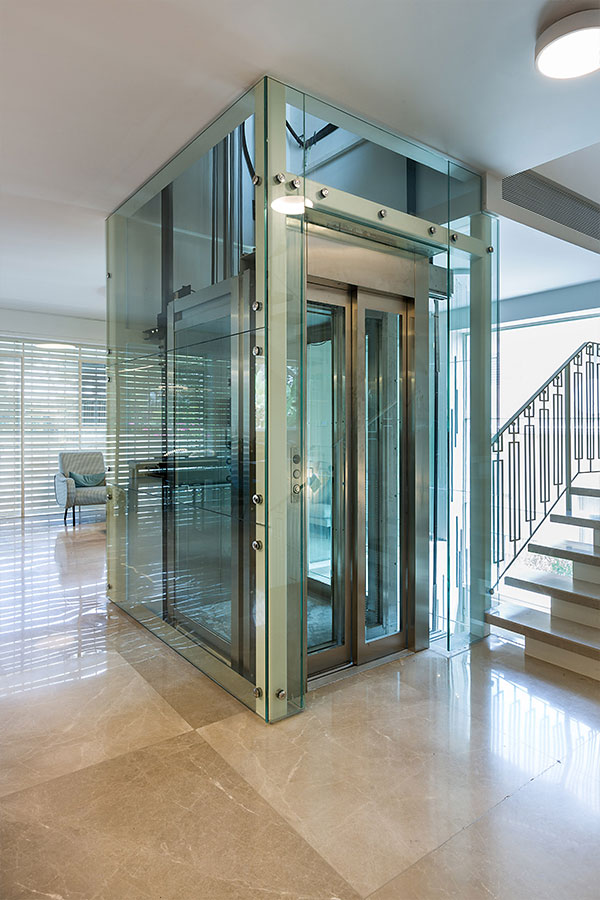
- Transparency that removes the “heavy” feeling of enclosed spaces
- Visual continuity and openness
- Strong architectural connection with the building
? Embrace WF / Embrace PC or Join WF / Join PC
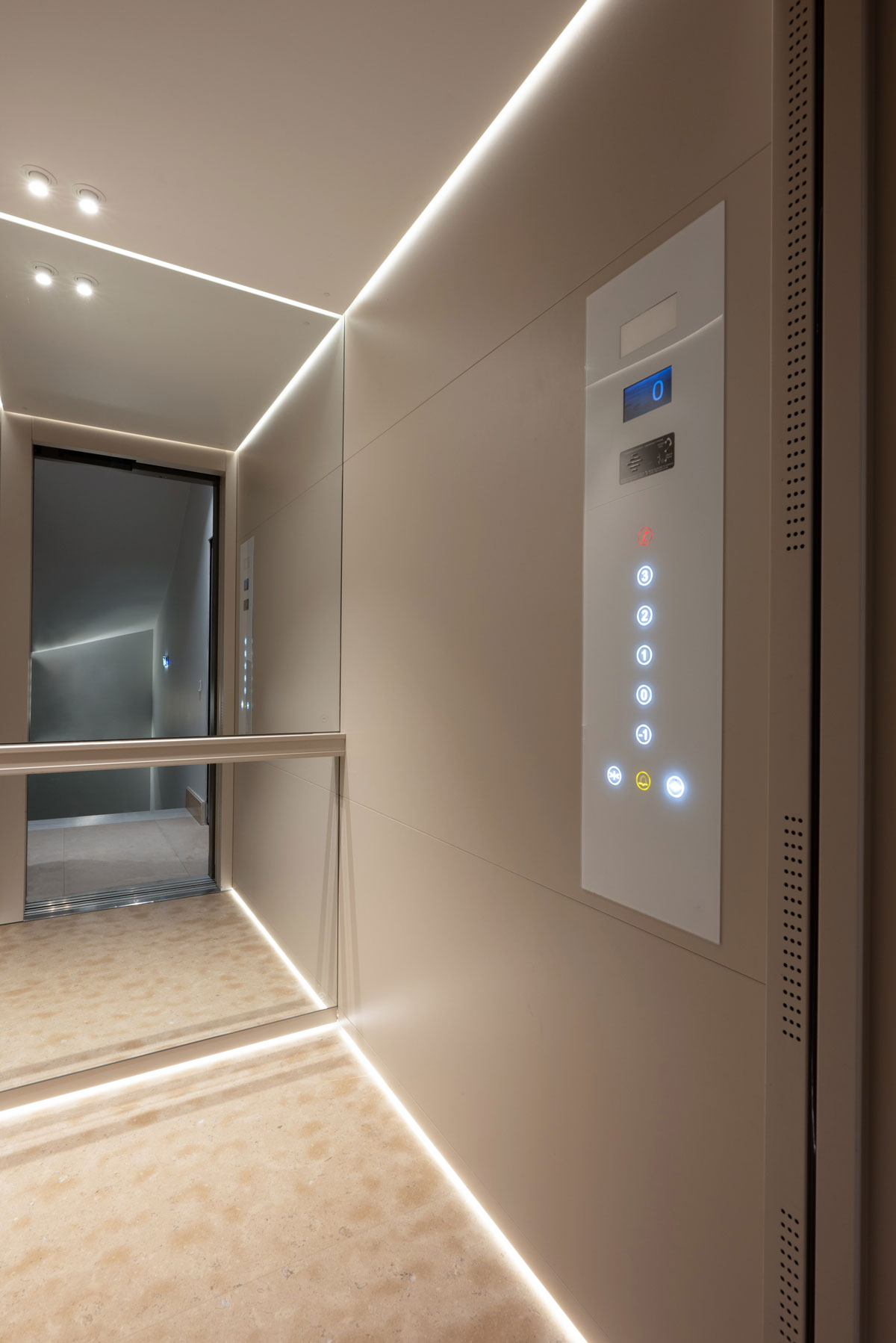
- Rounded corners and smooth transitions
- Soft geometry on walls and ceiling
- Ideal for projects that avoid strict, angular forms
When to propose
When the elevator should integrate discreetly into the space and function as a natural extension of the architecture.
2. STAINLESS STEEL & TEXTURES
When design is defined by touch, not shine
Design trend
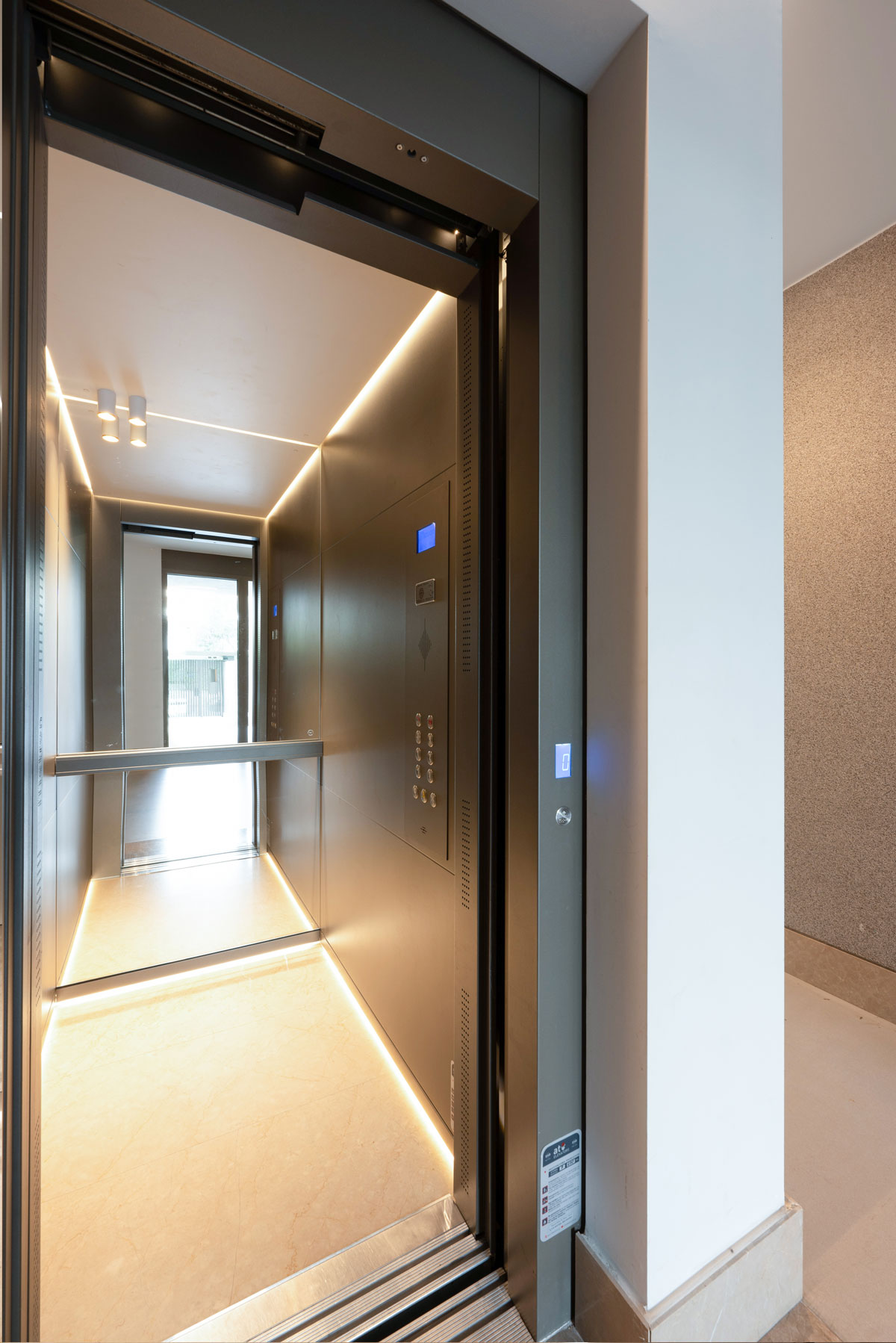
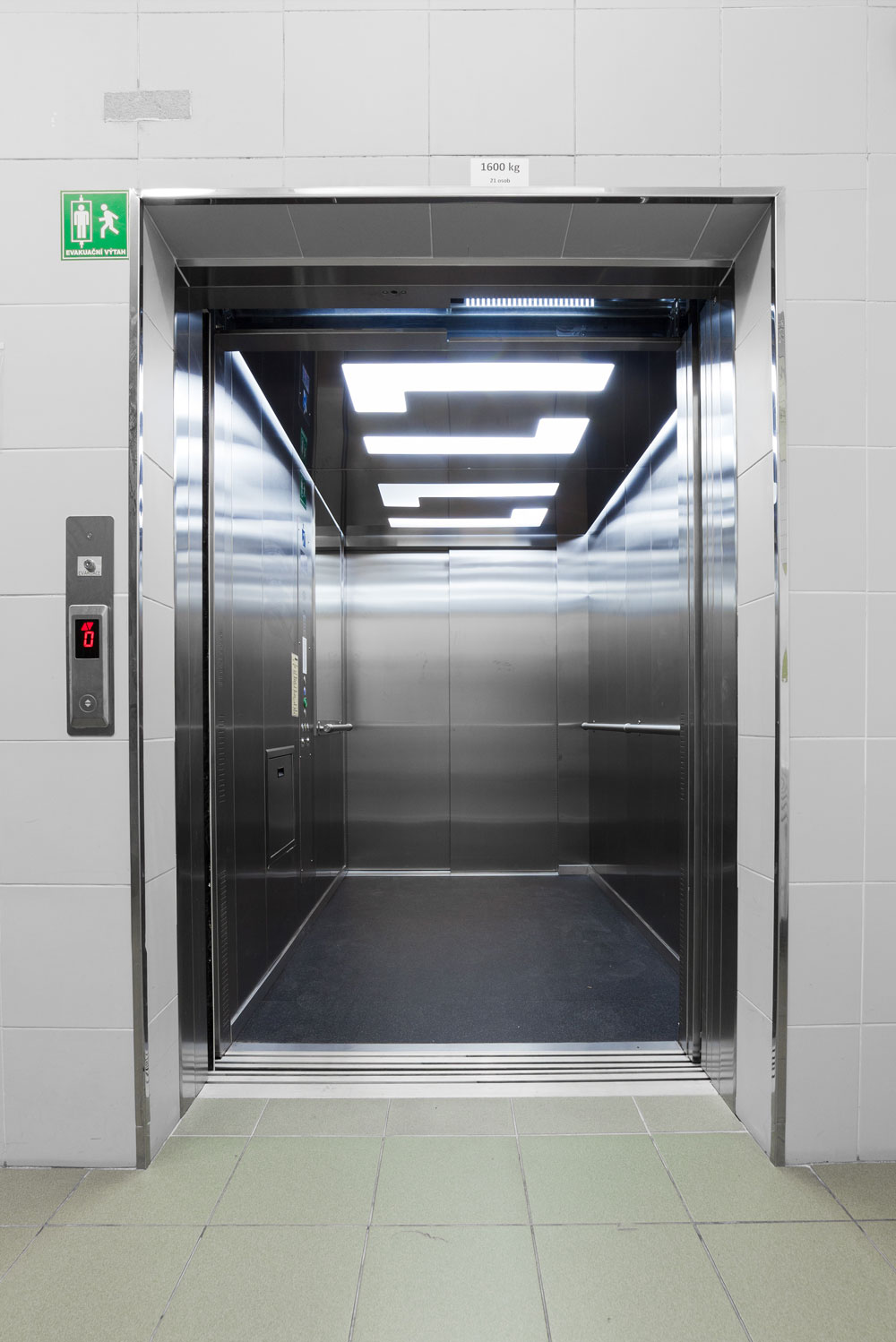
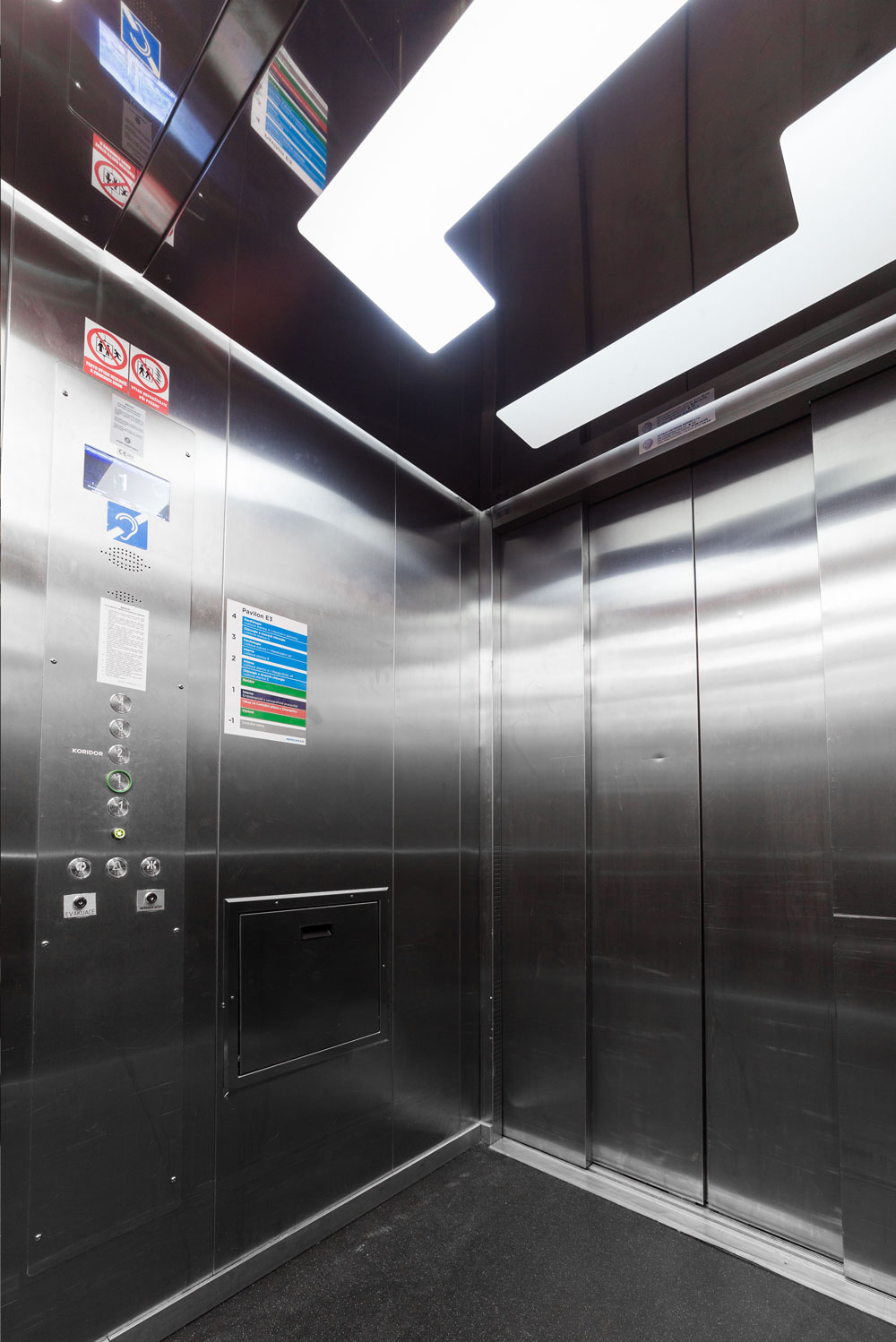
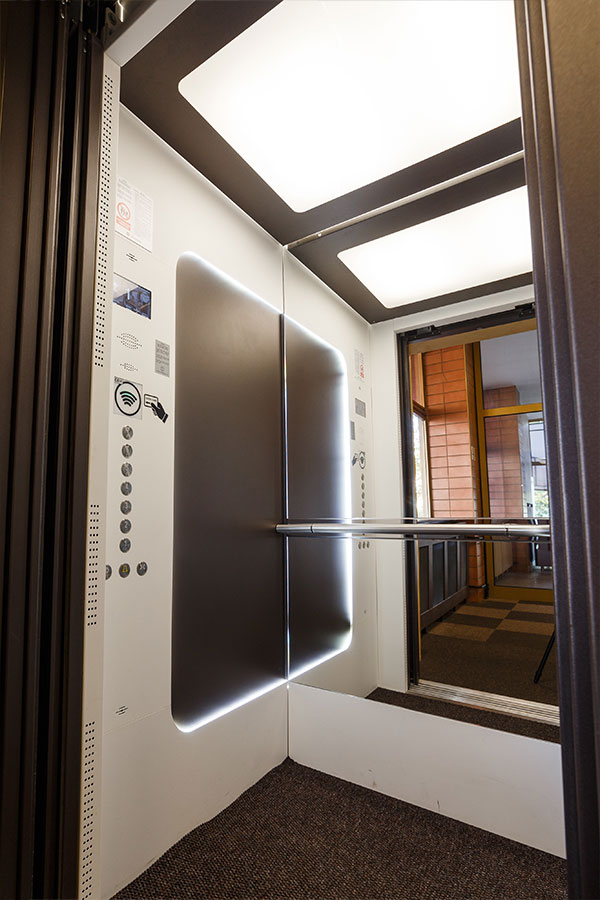
Texture returns as a key indicator of quality. Special stainless steel finishes like linen, leather, square combined with matte surfaces and thoughtful material layering create depth and understated luxury.
Unlike mirrors and strong reflections, textured stainless steel absorbs light, offering a refined aesthetic that remains consistent over time.
Suitable Metron Cabins
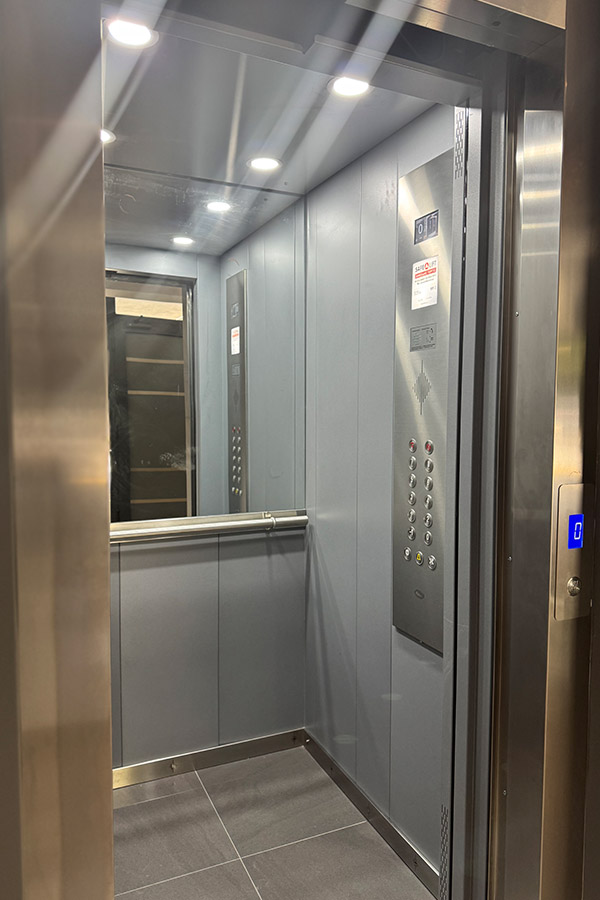
? IQ or Tempo Inox or Illusion
- Special stainless steel textures emphasizing tactile experience
- Light interaction without harsh reflections
- High durability, designed for long-term use
- Ideal for office buildings, commercial spaces, retail environments, and modern residences.
When to propose
When the elevator must act as a neutral yet premium architectural element rather than a bold design statement.
Especially recommended:
- In high-traffic environments where durability is critical
- When the concept prioritizes materiality and tactile quality
- In professional spaces requiring clarity and visual balance
- When long-term aesthetic stability matters more than trend-driven impact
In these projects, textured stainless steel delivers quiet luxury, present, refined, and resilient.
3. WOOD FINISHES
When the elevator introduces warmth and familiarity
Design trend
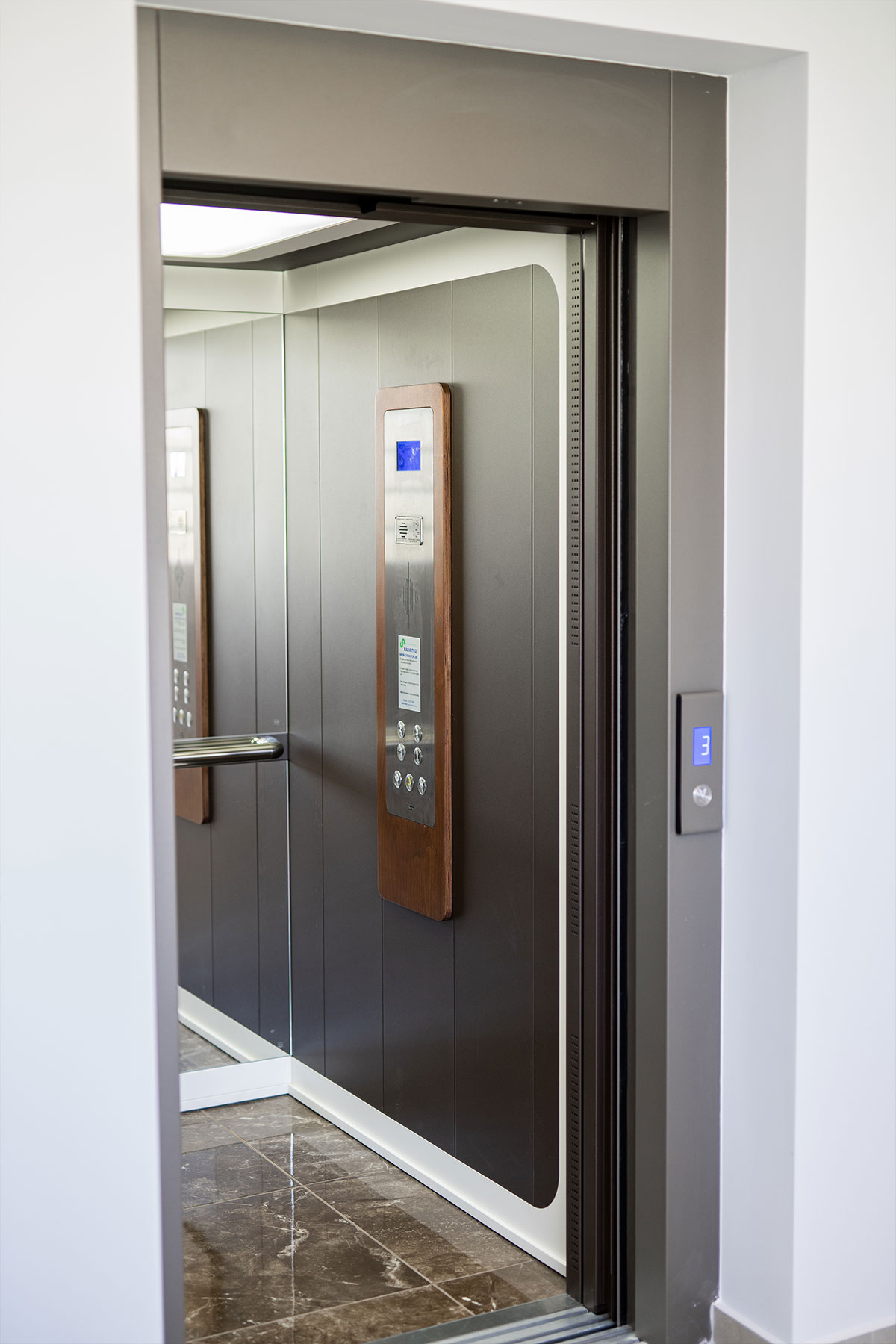
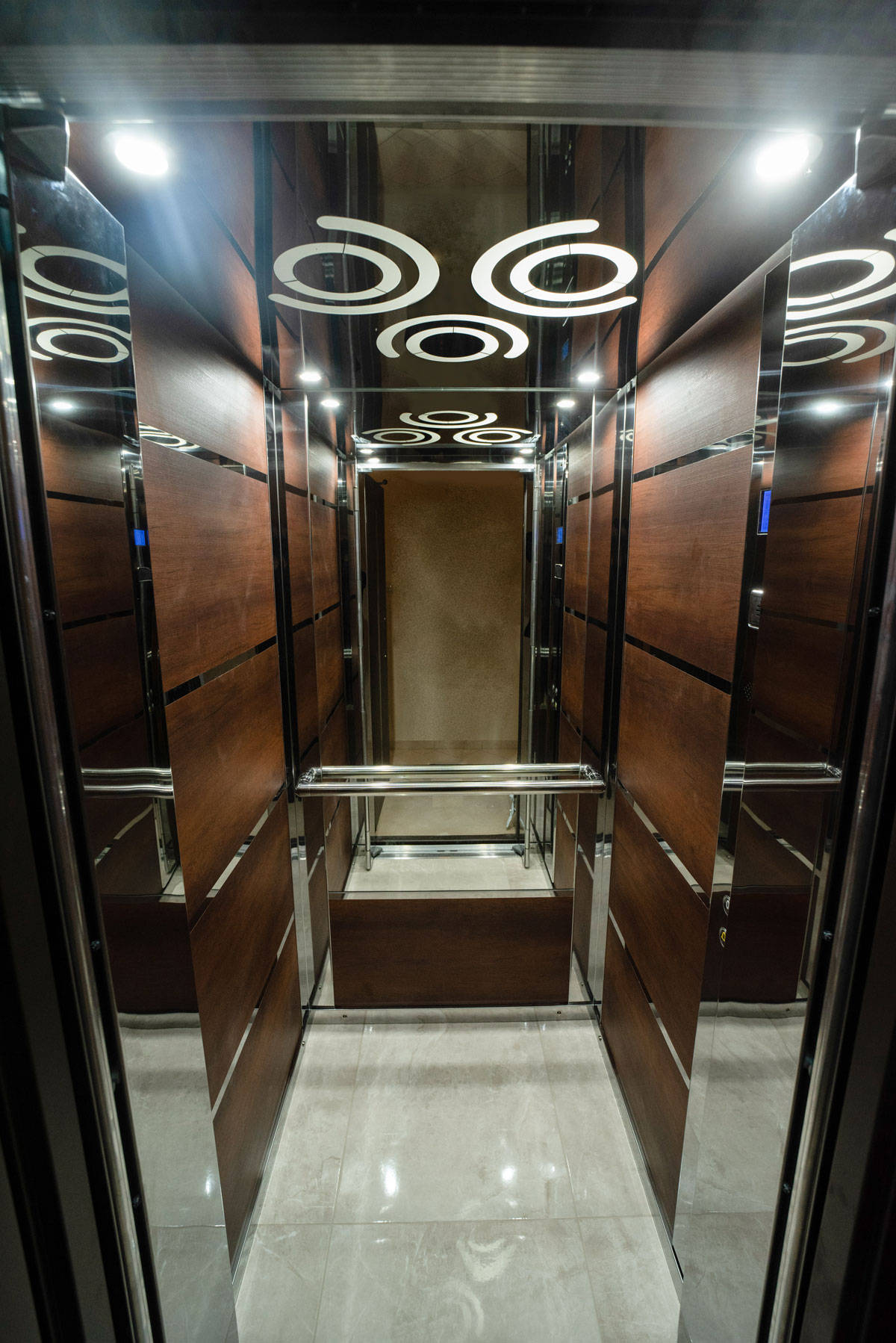
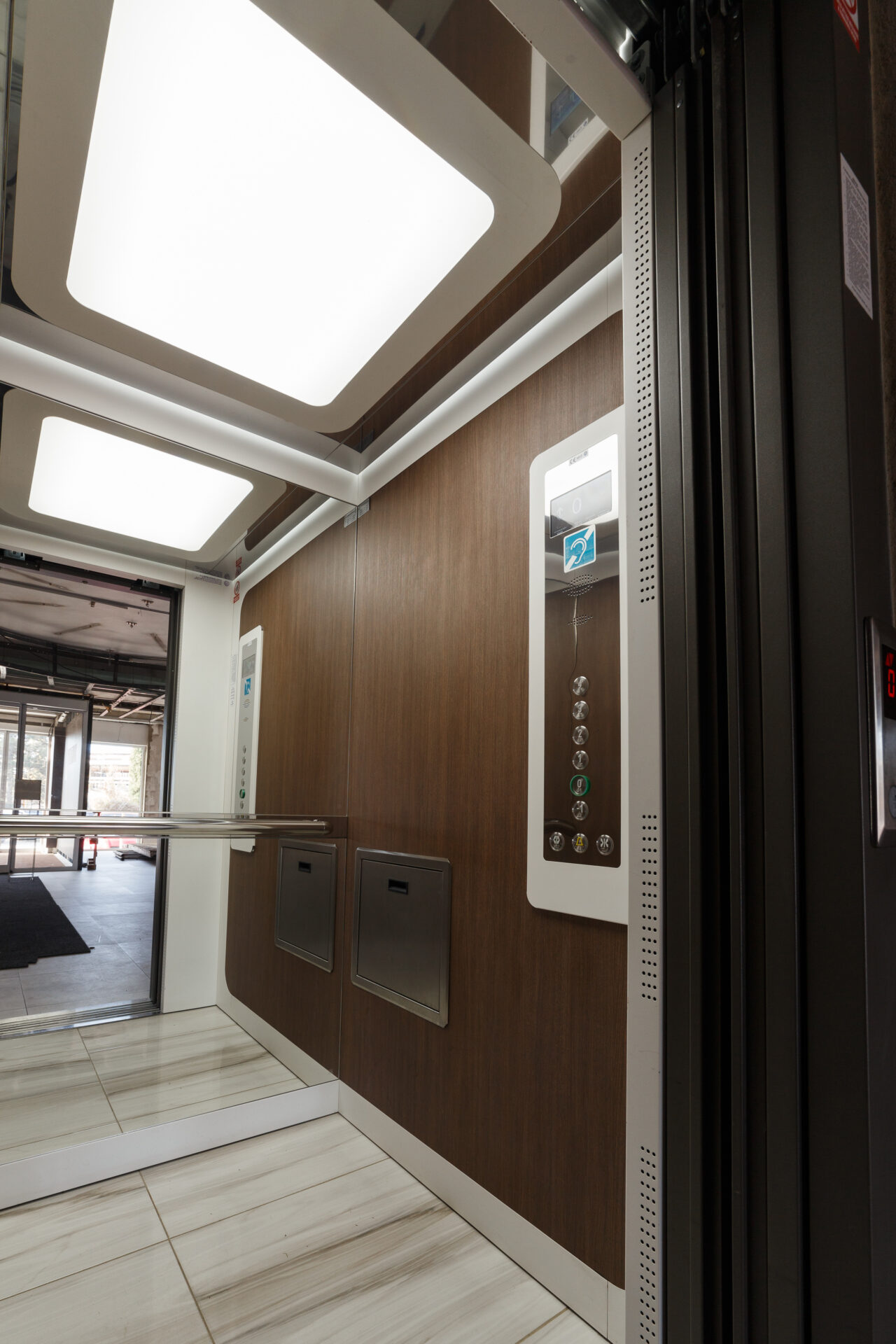
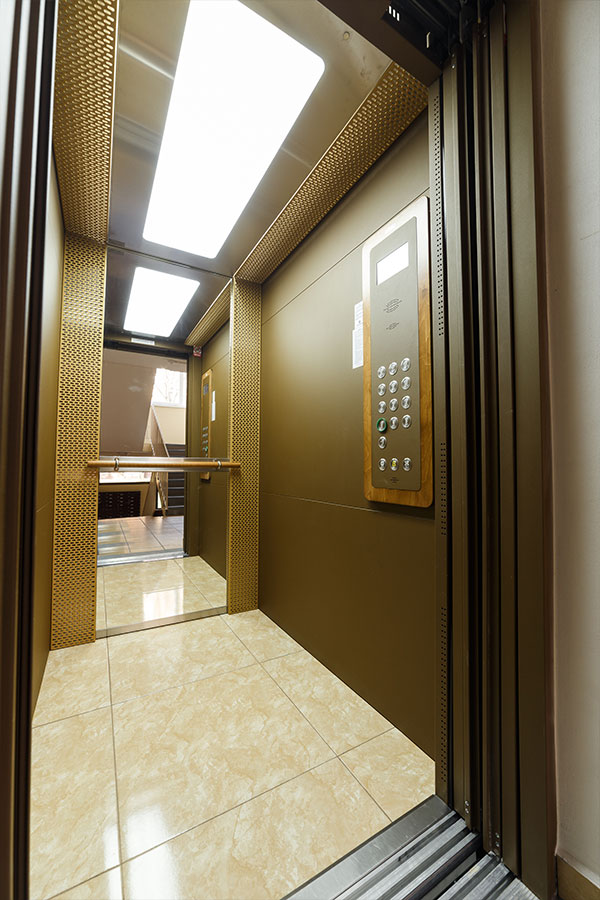
A renewed connection with nature-inspired materials. Wood and wood-effect finishes bring warmth and emotional balance, humanizing contemporary architecture.
Suitable Metron Cabins
?Charm, Master, Join WF, Embrace WF, Silva
- Create a welcoming and warm atmosphere
- Enhance residential, hospitality, and dining spaces
- Combine ideally with soft, matte lighting
When to propose
When the project aims to create comfort, emotional connection, and a sense of belonging.
4. COLOURS
When the elevator gains identity
Design trend
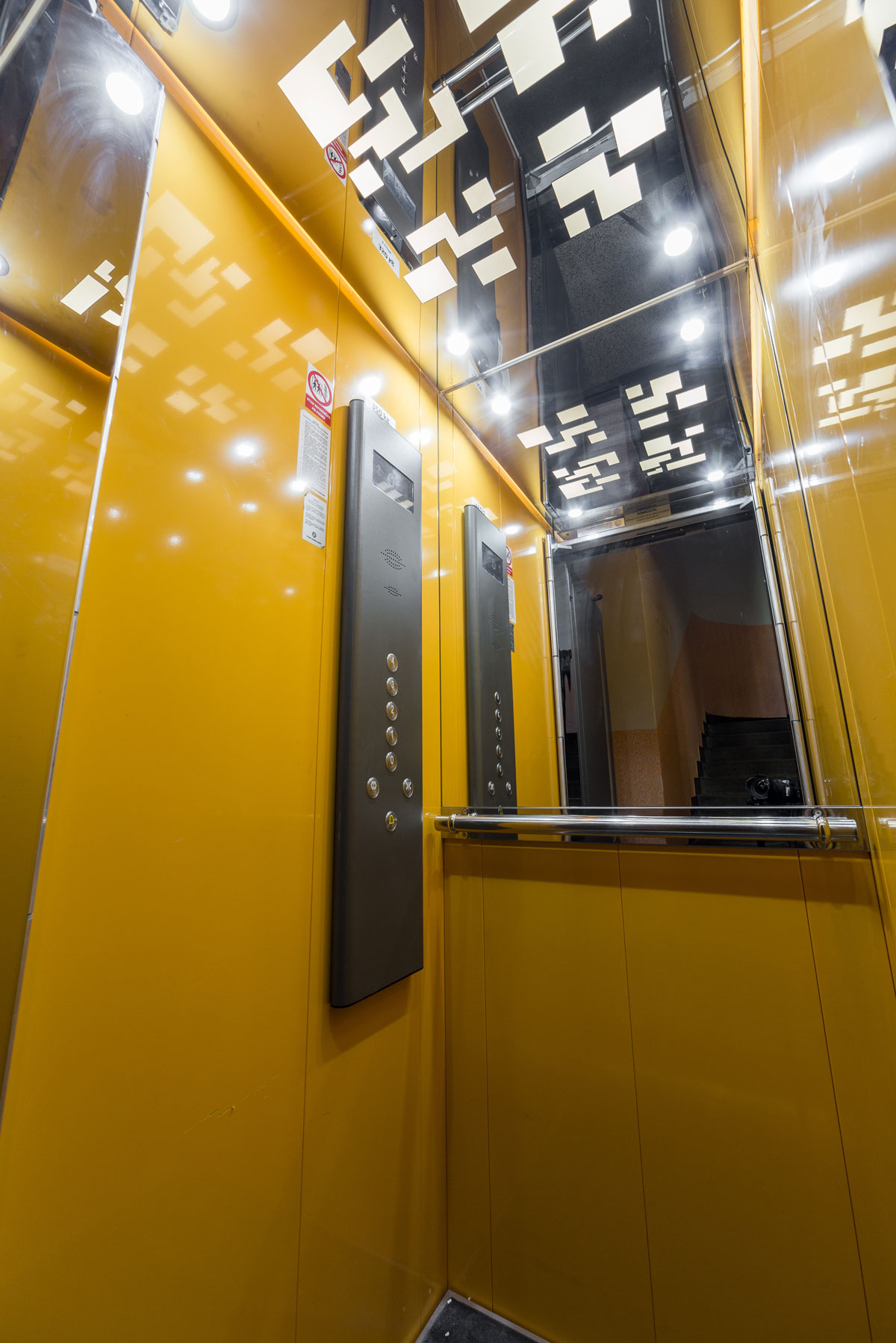
Pure white and neutral grey are stepping aside. Color returns in a more mature, architectural form but not for impact alone, but to define character and identity.
Suitable Metron Cabins
? Join PC, Embrace PC, Moon, Colour Up Deluxe, IQ ή Tempo PC
- Wide range of high-quality powder-coated colors
- Seamless integration with surrounding architecture
- Suitable for hotels, residences, and commercial spaces
? Nexus with architectural color combinations
- Decorative details with strong visual presence
- Balanced expression of character and longevity
When to propose
When the elevator must have presence without disrupting architectural cohesion.
5. BRANDING & CORPORATE IDENTITY
When the elevator becomes a brand touchpoint
Design trend
In branded environments like retail chains, supermarkets, department stores, corporate headquarters, logistics hubs with visitor access, design goes beyond aesthetics. It becomes a matter of consistency, recognition, and brand experience.
As a frequently used and highly visible element, the elevator acts as a physical extension of brand identity.
What this means in practice
In branded environments, the elevator:
- Strictly follows the brand manual (colors, materials, finishes)
- Reproduces brand identity consistently across multiple locations
- Remains functional and durable under intensive daily use
- Is designed for easy maintenance and long service life
- It is not unique per project. It is repeatable with precision.
Suitable Metron Cabins
? MyLift Cabins
- Full customization in colors, textures, lighting, and materials
- Standardization across multiple installations
- Consistent outcome across all projects
When to propose
- When a brand manual exists
- For chains and multi-site developments
- When consistency outweighs uniqueness
Practical design advice
- Do not select the elevator cabin at the end of the design process.
- Integrate it from the very beginning into the architectural concept and brand identity.
- Think of the elevator as an experience space, not just a means of transport.
- The earlier it is included in the concept, the more efficient and cost-effective the implementation will be.
The Metron philosophy
Metron does not treat the elevator cabin as a product, but as a tool of architectural expression.
The goal is to deliver flexibility, consistency, and true integration into each project.
Timeless design is not about following trends. It’s about translating them with precision.